Cities: Skylines II: Is Traffic Routing the Ultimate Systems Optimization Test?
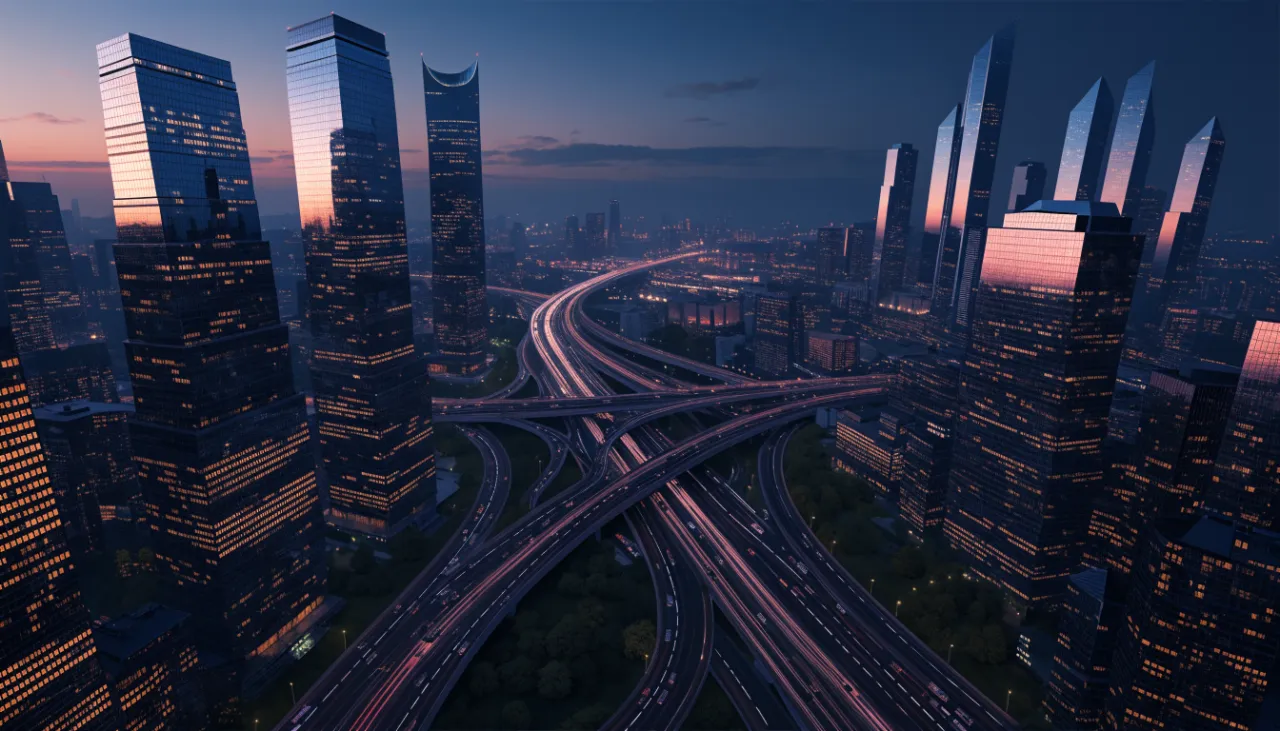
When you strip away the scenic skylines and dynamic day-night lighting, Cities: Skylines II is fundamentally a high-stakes logistics optimizer. Years after its 2023 debut, the real hook remains the sheer mechanical friction running under the hood.
In standard builders, roads are mostly aesthetic arteries. Here, traffic routing dictates your entire economic throughput. Driver pathfinding has tangible weight, meaning a single misaligned highway ramp does not just cause visual congestion—it chokes your industrial supply lines. If raw materials cannot route cleanly to processing zones, production halts, jobs evaporate, and the fallout ripples directly into residential satisfaction. Tuning lane math, intersections, and public transit loops feels less like passive city planning and more like debugging throughput bottlenecks in an engineering sim.
That systemic depth is a double-edged sword. If you approach it purely as a relaxed sandbox, the backend simulation can ruthlessly punish sloppy infrastructure. Unraveling an economic downturn often requires tracking logistics friction across your transit grid to figure out where goods are stalling out. For players who love mastering interconnected systems, that complexity is exactly what keeps it engaging.
For those still routing sprawling metropolises:
- Do you find the punishing traffic simulation mechanically rewarding, or does it over-complicate macro city growth?
- What is your favorite layout strategy for separating heavy freight transit from daily commuter flow?
Replies (0)
Log in or create an account to join the discussion.
No comments yet — be the first to roast it.