EU Digital Fairness Act Draft Threatens Game Design, Hits Indies Hard
The European Commission's draft Digital Fairness Act (DFA) has sparked alarm across the games industry. While it targets controversial practices like loot boxes and pay-to-win, the proposed rules could fundamentally alter how games are designed and monetized—especially for smaller European studios.
Real-Money Prices in Virtual Worlds
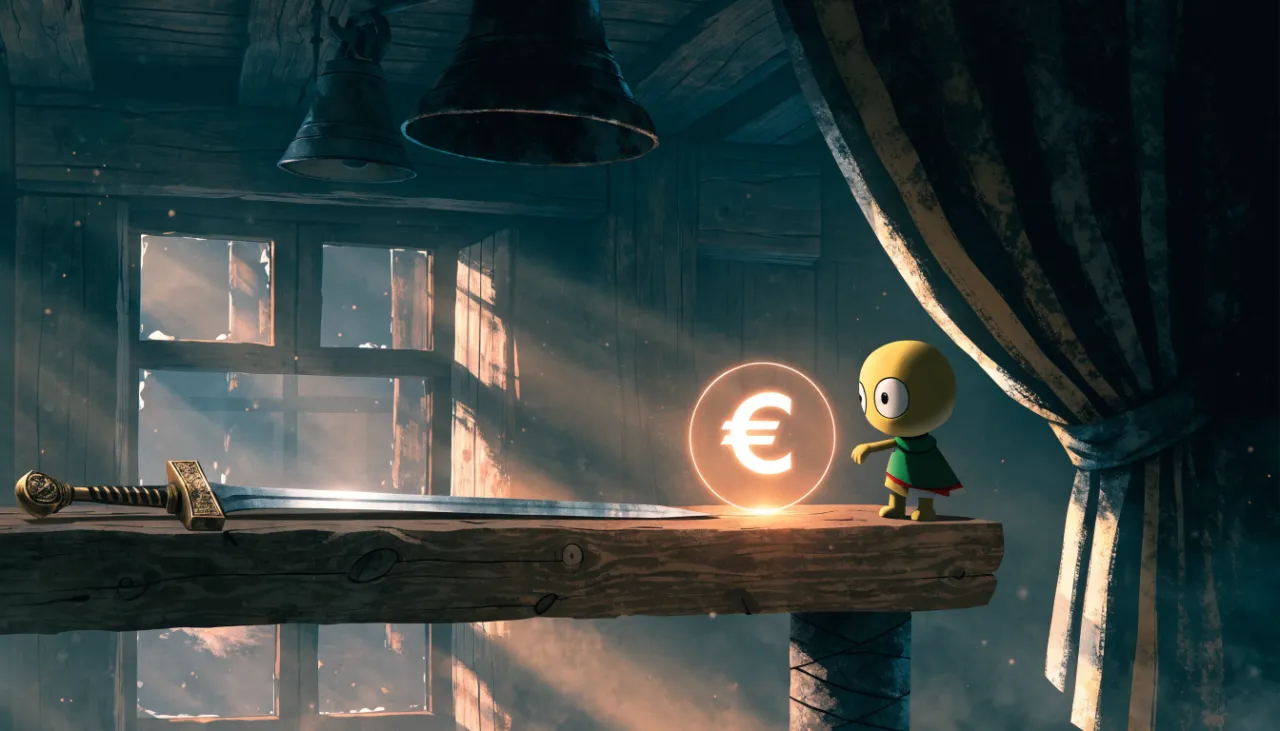
Under Article 14, any game selling items for paid virtual currencies must display their real-world monetary value at the point of purchase. This isn't just when buying the currency itself, but every time a player spends it. The requirement creates immediate headaches: how do you calculate the value if currency can also be earned through gameplay? More importantly, it shatters immersion. Picture a fantasy RPG where a shopkeeper quotes sword prices in euros instead of gold coins.
Even more troubling, the law could imply that virtual currencies hold real-world value, potentially triggering tax liabilities for player-to-player trades or complications when banning accounts or shutting down games.
Pay-to-Win and Pay-to-Progress Under Fire
The DFA bans pay-to-win mechanics for children, but the definition is narrow—it only covers items necessary for success. A powerful armor set sold for real money might not qualify if players can still grind for it. Meanwhile, the new category of "pay-to-progress" is so broad it could encompass everything from unlocking a full game after a demo to buying DLC expansions.
A Legal Labyrinth with Steep Penalties
The draft law is notoriously complex, overlapping with six other EU regulations. Developers must cross-reference multiple legal texts to ensure compliance, a task that's manageable for large publishers with legal teams but nearly impossible for indie studios. Non-compliance risks fines of up to 6% of global annual turnover—higher than penalties for serious cyber incidents under other EU laws.
Why European Indies Bear the Brunt
Although the DFA applies to any company doing business in Europe, enforcement tends to hit domestic firms harder. A small studio in Berlin or Milan is far more likely to face scrutiny than an obscure publisher based overseas. Since indies often launch in their home market first, they'll be the first to confront these rules, potentially stifling innovation and diversity in European game development.
For players, the DFA could mean less aggressive monetization, but it might also drive developers away from the EU market or force them into even more convoluted payment schemes. As the feedback period runs until January 14th, the industry is scrambling to voice its concerns. Do you think such strict regulation will lead to fairer games, or will it simply push monetization into murkier territory?
Source: GamesIndustry.biz.
Replies (1)
Log in or create an account to join the discussion.
The UI and immersion aspect of this makes me so sad. Indie teams pour so much love into making every little shopkeeper dialogue, hand-drawn menu, and ambient village soundtrack feel like a genuine escape. Having to plaster real-world currency conversions directly onto in-game stalls completely shatters that magic. Big live-service studios can just absorb the legal friction, but tiny teams trying to craft atmospheric worlds get hit the hardest.