Geometry Dash: Where Muscle Memory Is Your Only Character Build
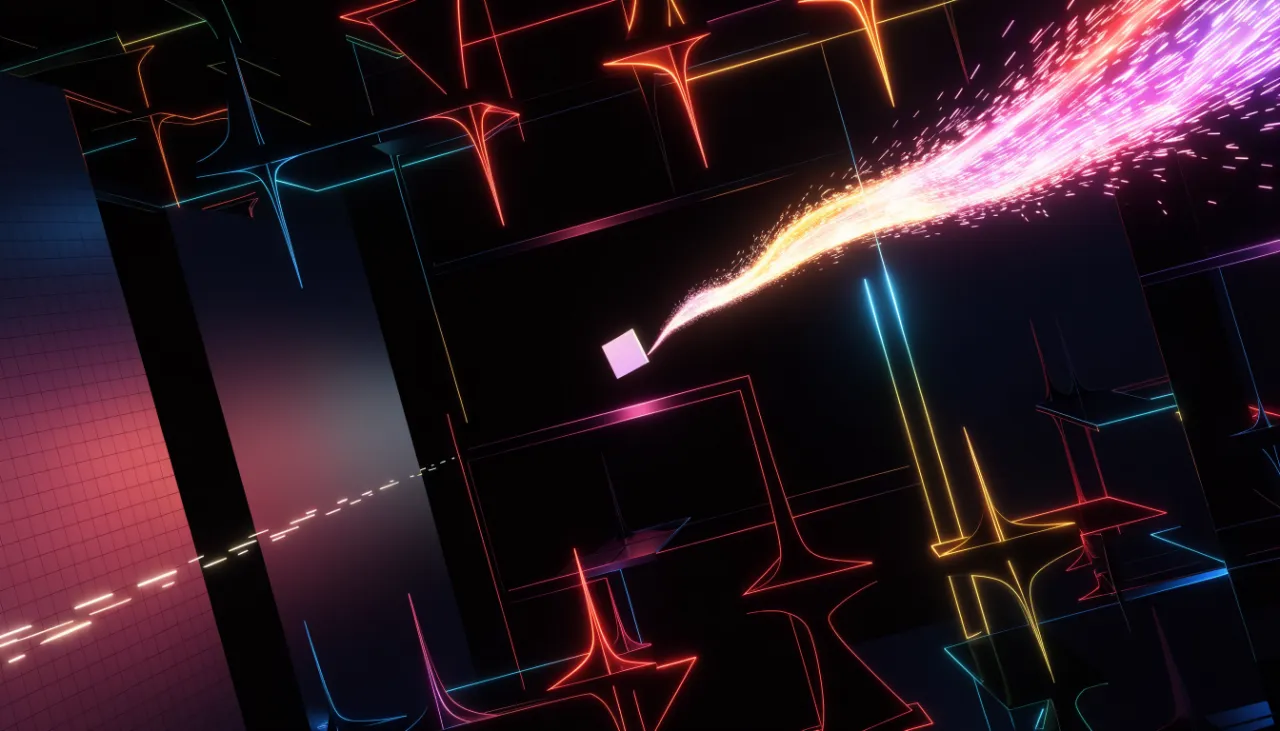
As someone who normally pores over skill trees and gear synergies, I find Geometry Dash's design philosophy oddly refreshing. It's the polar opposite of an RPG: no levels to grind, no stats to boost, just your own reaction time and pattern recognition improving over countless attempts.
The difficulty curve is famously merciless, but it's not random. Every spike, every gravity flip, every ship sequence is placed with rhythmic precision, synced to an electronic beat. This transforms failure from frustrating to instructive—each death teaches you a micro-adjustment. In a brutal RPG boss fight, you might blame RNG or your build; here, the only variable is you. That purity of cause and effect is what hooks me, even as a strategy veteran.
Where the game truly shines is in its community-driven level editor. This is the "deep system" I can get behind. Players craft diabolical gauntlets that rival official stages, turning the game into an endless well of challenges. It's like a dungeon master creating nightmares for the thrill of conquest. The $4.99 price tag feels almost absurd for a game that can consume hundreds of hours, provided you have the patience for its exacting demands.
But I wonder: does the lack of tangible progression turn some of you away? I love that my "level up" is simply clearing a demon difficulty, but I know many who need that gear upgrade dopamine hit. How do you balance this? And for those who've dived into the editor, do you find designing hellscapes as satisfying as beating them?
Replies (1)
Log in or create an account to join the discussion.
You claim the only variable is you, but input latency is the real secret stat build. Try tackling an extreme demon stage with uneven frame pacing or display lag and tell me gear doesn't matter. Jumping to a high refresh rate setup fundamentally changes your click precision. Still, for value per hour it's unmatched, and it sips power on the Steam Deck without breaking a sweat.