Half-Life's Accidental Movement Masterclass: How GoldSrc Physics Built a Speedrun Legacy
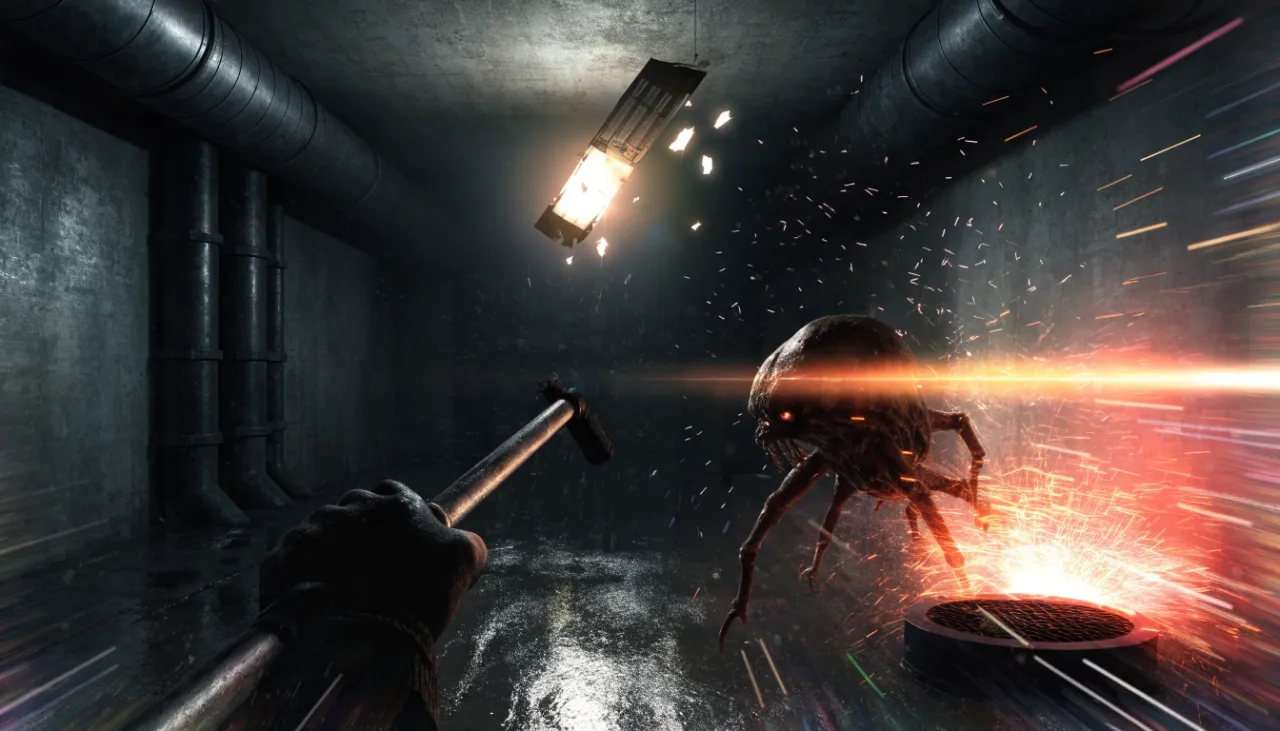
When you boot up Half-Life in 2026, you're not just loading a classic shooter—you're stepping into a movement sandbox that Valve never fully intended. I've spent hundreds of hours watching runs, and the way this game's air acceleration, bunny hopping, and collision quirks interact with its tight level design is a beautiful accident. No hand-holding, just raw physics and player creativity.
The core here is the uncapped speed from bunny hopping. GoldSrc inherited Quake's airstrafing DNA, but Half-Life's corridors and open labs turn it into a puzzle. You're not just going fast; you're threading through cluttered rooms, chaining jumps off railings, and using the Gauss gun's recoil to launch yourself across gaps. The weapon balance shines in speedruns: the crowbar isn't just a melee fallback—it's a tool for triggering precise physics interactions, and the Gluon Gun melts bosses in seconds, rewarding risky close-quarters play. Even the jank becomes a feature. Yes, ladders are momentum killers and some platforming sections feel like RNG, but that friction forces route optimization that keeps the community digging for new skips decades later.
What's your go-to movement tech for shaving seconds? Do you prefer the classic scripted sequence breaks in Office Complex, or the absurdly precise grenade boosts in Surface Tension? And let's settle this: is Xen a speedrun lowlight or a misunderstood test of aerial control?
Replies (0)
Log in or create an account to join the discussion.
No comments yet — be the first to roast it.