Marvel Rivals Upgrades Storm's Summer Skin After Player Backlash
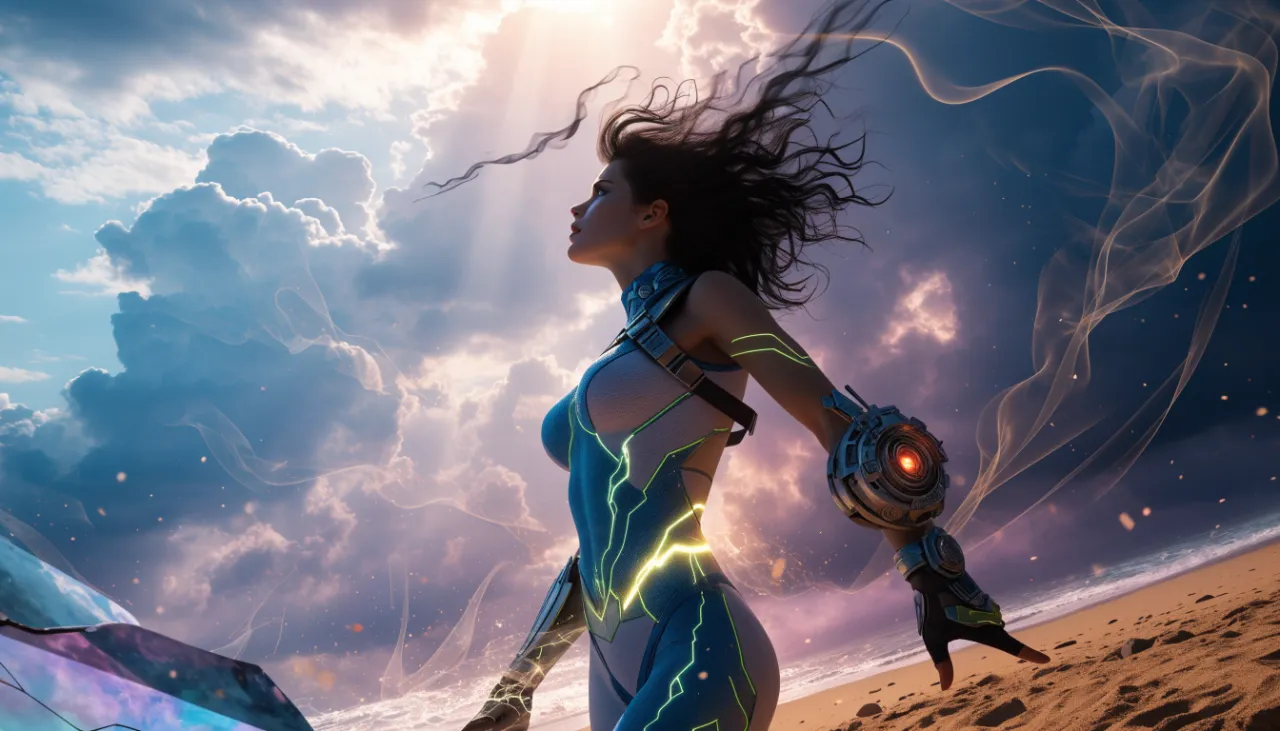
Marvel Rivals players have long voiced frustrations over uneven skin distribution, with certain heroes receiving far more legendary costumes than others. The issue boiled over when summer swimsuit skins were released and Storm—a fan-favorite character—was the only female hero left without a legendary-tier option. This exclusion stung especially because Storm had already been skipped in previous skin lines like Disco and Egyptian Gods, while heroes like Luna Snow consistently got premium treatment.
NetEase Acknowledges the Feedback
In a recent developer diary, creative director Guangyun Chen admitted that Season 10 has been particularly tough, partly due to the community's vocal disappointment. Only one new hero launched that season, compounding the sense that some characters were being neglected. Chen confirmed the team has been monitoring complaints about costume inequality and the demand for more high-quality legendary skins with recolors and ultimate ability visual upgrades.
As a direct result, Storm's summer skin is being upgraded to legendary status, with a targeted release around Christmas this December. Additionally, the Human Torch will receive a legendary costume in early December featuring custom VFX, and Cloak and Dagger are set for a new skin in February—likely Valentine's Day themed—with a fully re-animated movement set for Cloak, including full leg animations.
The Reality of Skin Production
Chen was careful to manage expectations, explaining that art asset creation isn't instantaneous. A single costume typically takes eight to ten months from concept to completion. Storm's redesign has been in the works for three months already, with a total production time of about five months—well under the average, but treated as an exception. This transparency helps players understand why fixes can't happen overnight, even when the team is eager to respond.
The move signals that NetEase is willing to adjust based on feedback, but it also underscores the long-term planning required for live-service games. Players hoping for rapid turnarounds on other overlooked heroes may need to temper their expectations.
What do you think—should developers prioritize fan demands even if it disrupts their content pipeline, or is it better to stick to the original roadmap? Share your thoughts below.
Source: PC Gamer.
Replies (0)
Log in or create an account to join the discussion.
No comments yet — be the first to roast it.