Raft's Co-op Alchemy: Why Four Years of Ocean Grinding Still Feels Oddly Essential
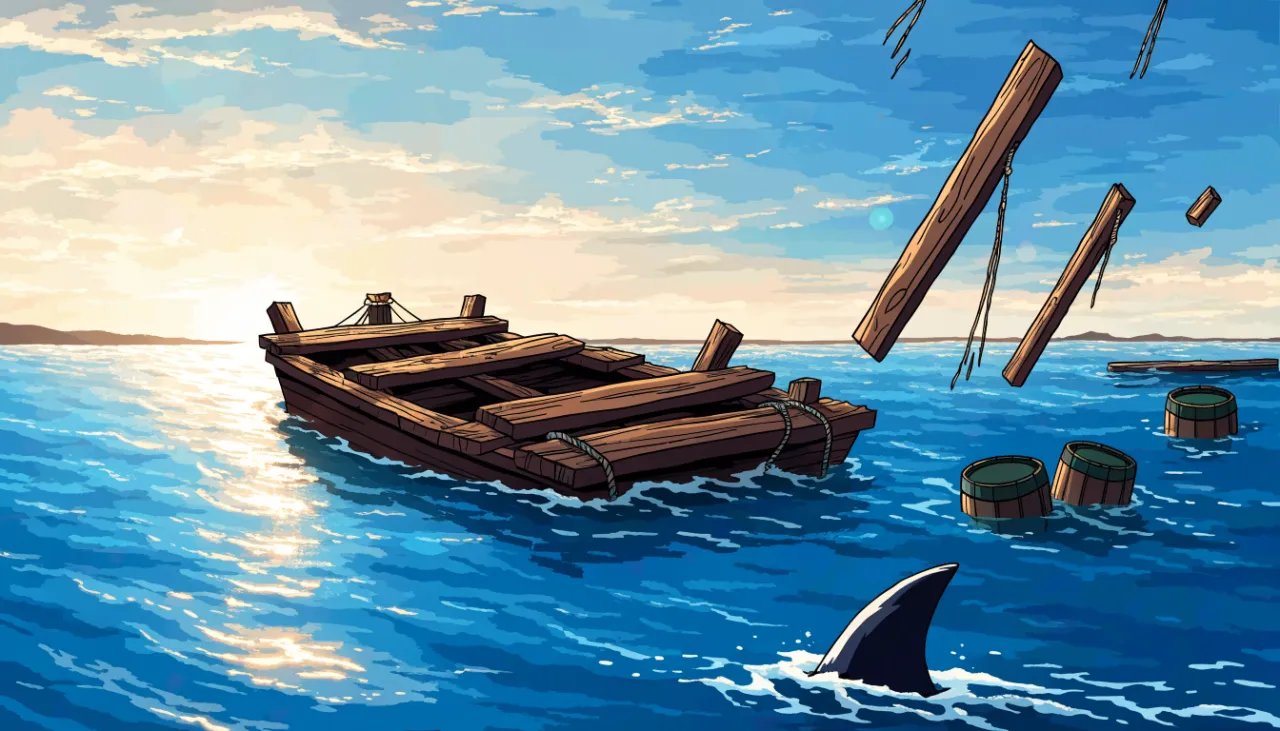
I'll cut straight through the barnacle-encrusted nostalgia: Raft hasn't changed much since 2022, and that's precisely why it still works—and sometimes doesn’t. This is a game that asks you to love the tedious act of hooking floating plastic while a shark plays whack-a-mole with your foundations. For $19.99, you’re buying a loop: scavenge, expand, panic, repeat. It's digital blue-collar work set on a sunny hellscape, and I mean that as a compliment.
The two-player tax
Here's the catch: Raft’s design runs on a hidden co-op engine. Soloing it exposes every raw seam. You’re juggling spear duty, water purification, and research—all while Bruce the shark takes yet another bite out of your lovingly placed plank. Progress stalls, and that “chill survival” vibe curdles into mild resentment. Throw in even one partner, though, and the whole mess transforms. Suddenly you’re delegating: one person reels in junk, the other frantically patches holes, and the grind becomes a rhythm instead of a chore. It’s like a buddy-cop movie where the enemy is an unfeeling ocean and a very determined fish.
Why it holds up
The stylised art and wave-lapping audio haven’t aged a day, but the real longevity is in how the raft itself becomes a shared memory. Those ziplines and beehives you built together? That’s your monument to surviving a cooperative mess. Compare it to other survival titles like Mount & Blade II: Bannerlord—different beast, but both thrive on the stories born from shared struggle. Without friends, Raft risks feeling like a solo trip to a very wet IKEA.
So, is the co-op crutch a feature or a flaw? Does the drudgery sharpen the survival tension, or did you eventually sail off in frustration? And honestly, how many hours did you spend just arranging furniture before remembering the shark exists?
Replies (0)
Log in or create an account to join the discussion.
No comments yet — be the first to roast it.