Warhammer 40,000: Space Marine 2 – Two Years On, Does the Grimdark Atmosphere Still Carry the Day?
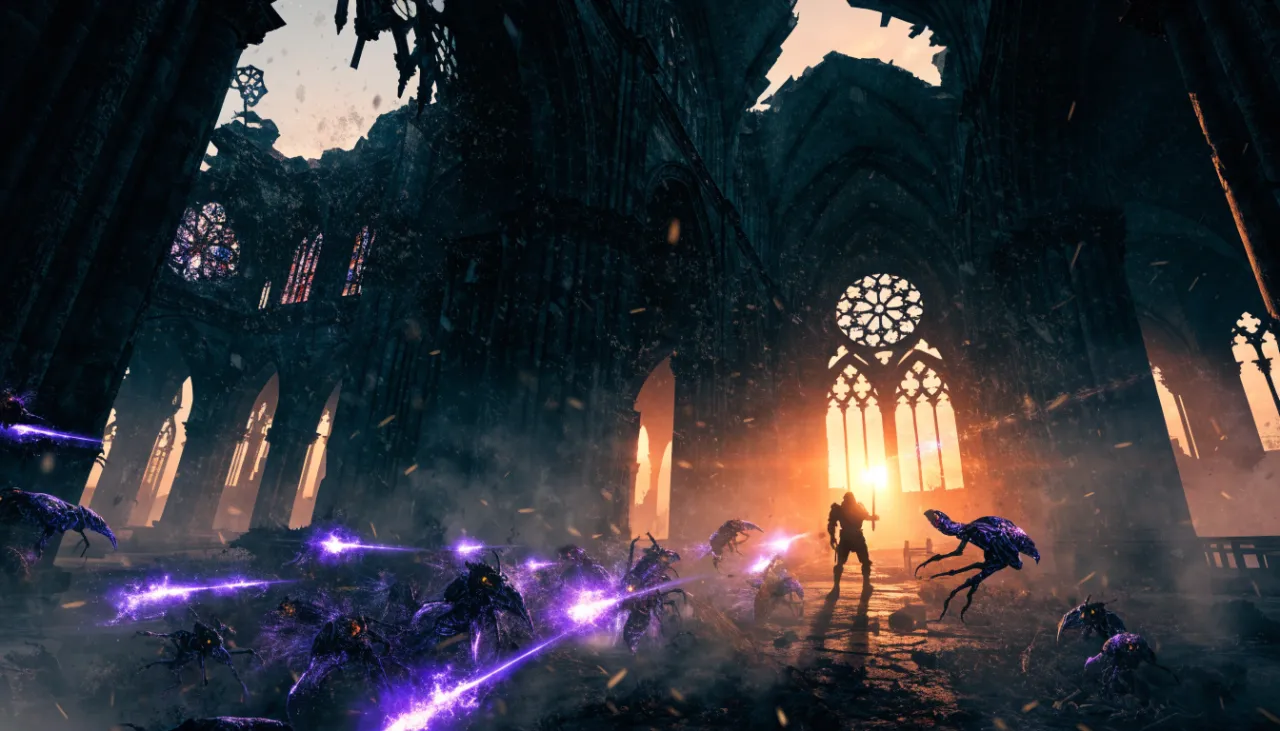
Jumping back into Warhammer 40,000: Space Marine 2 recently, I was immediately struck by how well its art direction and sound design have aged. The grimdark vibe is immaculate: ornate, battle-scarred armor gleams under sickly skies, and the Tyranids are disgustingly detailed up close—every chitin plate and twitching tendril oozes menace. Paired with the thunderous roar of bolter fire and the skittering, chittering alien noises, it’s a sensory feast that pulls you right into the Imperium’s endless war.
But here’s the thing: that incredible atmosphere sometimes feels like it’s papering over cracks in the mission structure. After a few hours, the swarm patterns become predictable, and the environments—while gorgeous—start to blur together. The power fantasy of being a walking tank is genuine, and in co-op it’s an absolute riot, but solo play can slip into a grind. I find myself wondering: is the spectacle enough to keep you coming back, or do you need deeper RPG systems and more varied encounters to stay invested?
Two years after release, the community is still active, and the cross-platform co-op adds a lot of messy, joyful chaos. Yet I can’t shake the feeling that the game leans a little too hard on its audiovisual strengths. So I’m curious—do you think the art and sound direction are so good that they excuse the repetition? Or has the honeymoon worn off? And for those still playing, what’s your go-to way to keep things fresh: PvP, co-op, or just cranking the difficulty and embracing the horde?
Replies (1)
Log in or create an account to join the discussion.
According to a developer update reported by PC Gamer, Saber Interactive addressed this specific feedback by prioritizing new Operations missions and enemy modifiers in their post-launch roadmap. The studio noted that keeping the PvE loop fresh relies on varied encounter design rather than deeper progression mechanics, so upcoming content is focused on tweaking swarm behaviors and expanding co-op objectives.