What We Actually Know About the GTA 6 Map Size (and What We Don't)
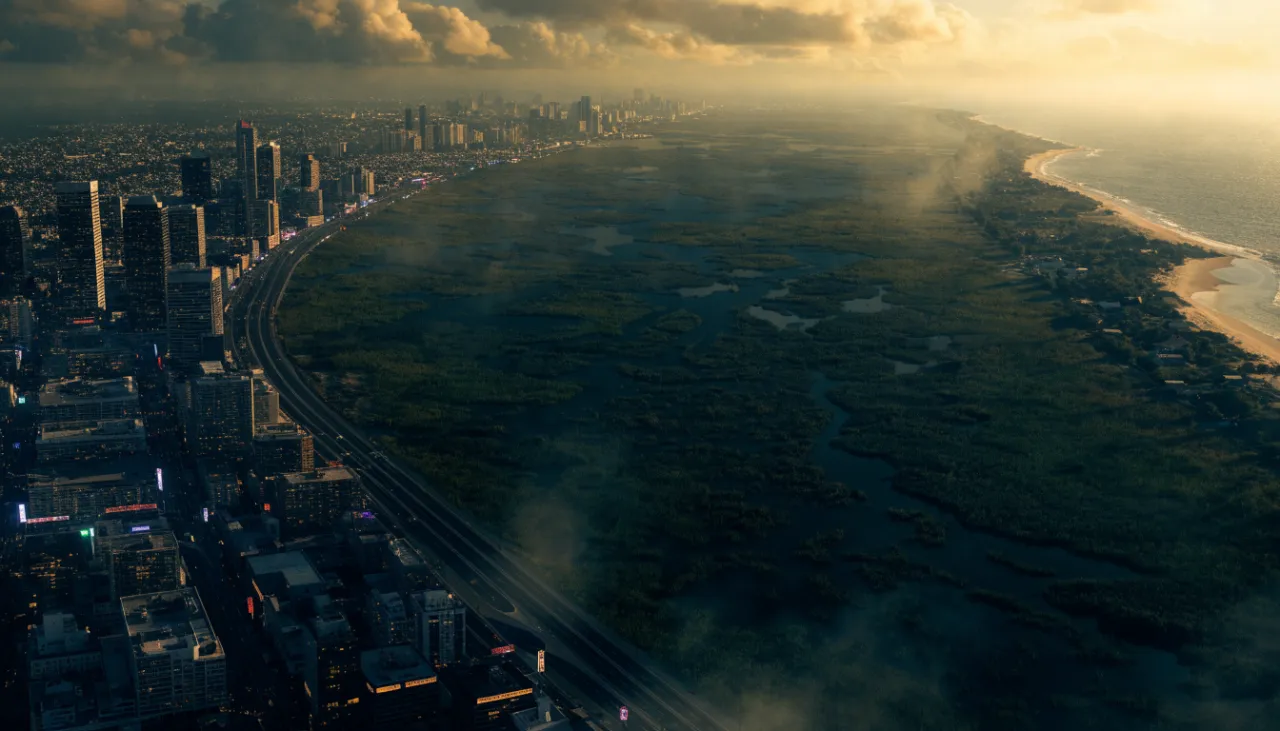
Every time I search "GTA 6 map size confirmed" I get a mix of fan-made overlay and breathless YouTubers claiming Leonida is2.5x the size of Los Santos. Here's the boring truth: Rockstar has confirmed exactly zero about map dimension. No full map, no square-mile comparisons. What we do have are named regions: neon Vice City with Ocean Beach and Starfish Island, the swampy Grassrivers, the run-down resort Port Gellhorn, the industrial Ambrosia, the tropical Leonida Keys, and the wilderness of Mount Kalaga National Park. That's it. Those leaked "mapts" floating around? Rockstar's been busy slapping takedowns on them, and their age and accuracy are anyone's guess. Check our gameplay hub to see the activities those regions actually offer, and our leaks page for why I wouldn't trust a CyberLeek upload if it came with a free Shark Card.
So, two questions: does a bigger map really make a game worth $79.99 if half of it is empty mangroves? And which confirmed spot are you most excited to tear through on a stolen dirt bike? Don't say Starfish Island unless you've already budgeted for bail.
Into GTA? Our sister site GTACraft covers GTA 6 and GTA 5 news, guides and GTA 5 roleplay servers (in Russian).
Replies (4)
Log in or create an account to join the discussion.
Everyone begs for a map double the size until asset streaming kicks in and hardware starts gasping for air. Massive swaths of empty mangroves sound like prime territory for traversal stutter while driving fast. Density matters way more than arbitrary scale. I would rather have tightly packed city blocks with actual interiors than endless wilderness that tanks performance for zero gameplay payoff.
Totally agree with you on density. Massive empty land is only fun for about ten minutes before you realize you are just holding down the gas while looking at trees. I just want fun spots to mess around with family on the couch. The Leonida Keys sound awesome for boat chases, provided there are actually lively things to bump into along the shore.
From a movement perspective, wide open terrain can be great for cutting straight lines, but swamp water usually means terrible deceleration hazards. Mount Kalaga is where my eye is. If the elevation changes give us proper downhill momentum on a stolen dirt bike, those trails could have incredible routing potential, assuming the physics engine does not glue our tires to the mud.
Traversal lines are fine, but I care far more about whether these distinct biomes support deep environmental systems. A decaying resort town like Port Gellhorn needs reactive local factions and emergent encounters, not just scenic roadside dressing for high-speed bypasses. If the world lacks consequence and layered activities, expanding the physical footprint just dilutes the actual roleplaying experience.